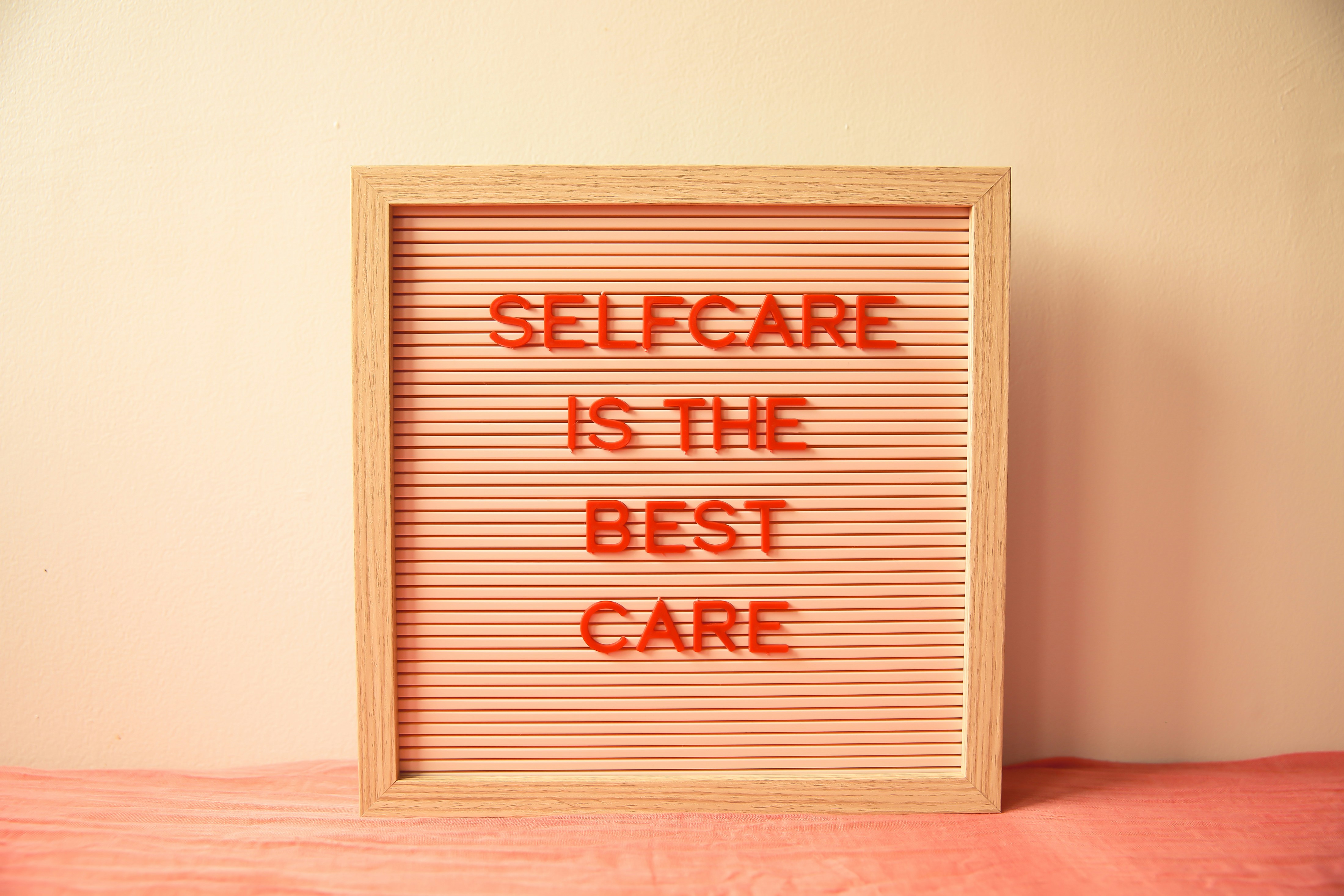
What if 2026 Was About Sustaining, Not Striving?
Here we are. Another year has begun.
If you're like many educators I speak with, you might be feeling the weight of expectations already — the sense that you need to hit the ground running, be 'on' from day one, and somehow find a way to make this year different.
But what if the most restorative thing you could do this year… was to approach it differently from the start?
The Pressure to Begin Again
There's something about the new year in schools. The fresh start. The clean slate. The opportunity to try again, do better, be more.
And while there's beauty in new beginnings, there's also exhaustion in the expectation that we must always be striving, always improving, always adding more to what we already carry.
I wonder: what would happen if, instead of asking "What more can I do this year?", we asked "What really matters, and how can I sustain it?"
Connection Before Correction — For Ourselves Too
One of the core principles of restorative practice is connection before correction. We know this matters deeply in how we show up for our students. But do we extend that same grace to ourselves?
When we enter a new year already depleted, already running on empty, we're starting from a place of correction rather than connection. We're trying to fix ourselves before we've even acknowledged what we need.
And here's what I've learned: you can't build sustainable relational practice in your classroom or your school if you're not attending to the relationships that sustain you — including the one you have with yourself.
High Expectations and High Support
In restorative practice, we talk about holding high expectations and high support for our students. We believe in their capacity while also providing what they need to succeed.
What if we applied this to ourselves?
High expectations might look like:
Showing up with intention and care
Being present for your students and colleagues
Continuing to grow and learn in your practice
High support might look like:
Setting boundaries that protect your energy
Asking for help when you need it
Resting without guilt
Letting go of what you can't control
The two go hand in hand. You can't hold high expectations for yourself without also holding high support. That's the WITH quadrant of relational engagement — and it applies to how we relate to ourselves, too.
The Way We Show Up Matters
This is one of my guiding beliefs: the way we show up matters.
The energy we bring into a room, a conversation, a conflict, a circle — it all matters. Our students feel it. Our colleagues feel it. We feel it.
And if we're showing up already exhausted, already overwhelmed, already convinced we're not enough… that shapes everything that follows.
So this year, what if we gave ourselves permission to show up differently?
What if we:
Started from a place of enough, not lack
Prioritised connection over compliance — with ourselves and others
Chose sustainability over hustle
Trusted that rest is part of the work, not separate from it
What Would Sustaining Look Like for You?
I'm not asking you to set big goals or create a detailed plan. I'm asking you to pause and reflect:
What would it look like to sustain your wellbeing, your energy, and your capacity to be relational this year?
Maybe it's:
Saying no to one thing so you can say yes to rest
Building in moments of connection with colleagues
Protecting your lunch break
Leaving school at school some nights
Asking yourself "What do I need right now?" and actually listening to the answer
Restorative practice teaches us that behaviour is communication. When we feel depleted, burnt out, or disconnected, our bodies and minds are communicating something important.
Are we listening?
An Invitation, Not an Expectation
I'm not here to tell you what you should do this year. You already have enough of that.
Instead, I'm inviting you to consider what you need — and to give yourself permission to honour that.
Because the truth is, we can't create restorative, relational, connected school cultures if we're not tending to our own restoration, our own relationships, our own connection.
The work we do with students matters deeply. And that work is only sustainable when we extend the same care to ourselves.
So here is my hope for you in 2026:
May you approach this year with gentleness.
May you hold yourself with the same high expectations and high support you hold for your students.
May you remember that the way you show up matters — and that includes how you show up for yourself.
And may this be the year you choose to sustain, not just strive.
You're doing important work. You matter. And you deserve care — especially from yourself.
If you are looking for support in building sustainable restorative practice in your school this year, I would love to connect. You can explore our website or book a connection call to talk about what your school needs.